
Medical care and travel in China, coordinated for international patientsGet a personal plan

TCM therapy

Herbal Steam Fumigation and Medicinal Baths

Herbal steam fumigation and medicinal baths are traditional Chinese medicine external therapies offered in Chinese hospitals to local and foreign patients.

General information only. It is not a diagnosis or a substitute for professional advice.

Last updated:

About this therapy

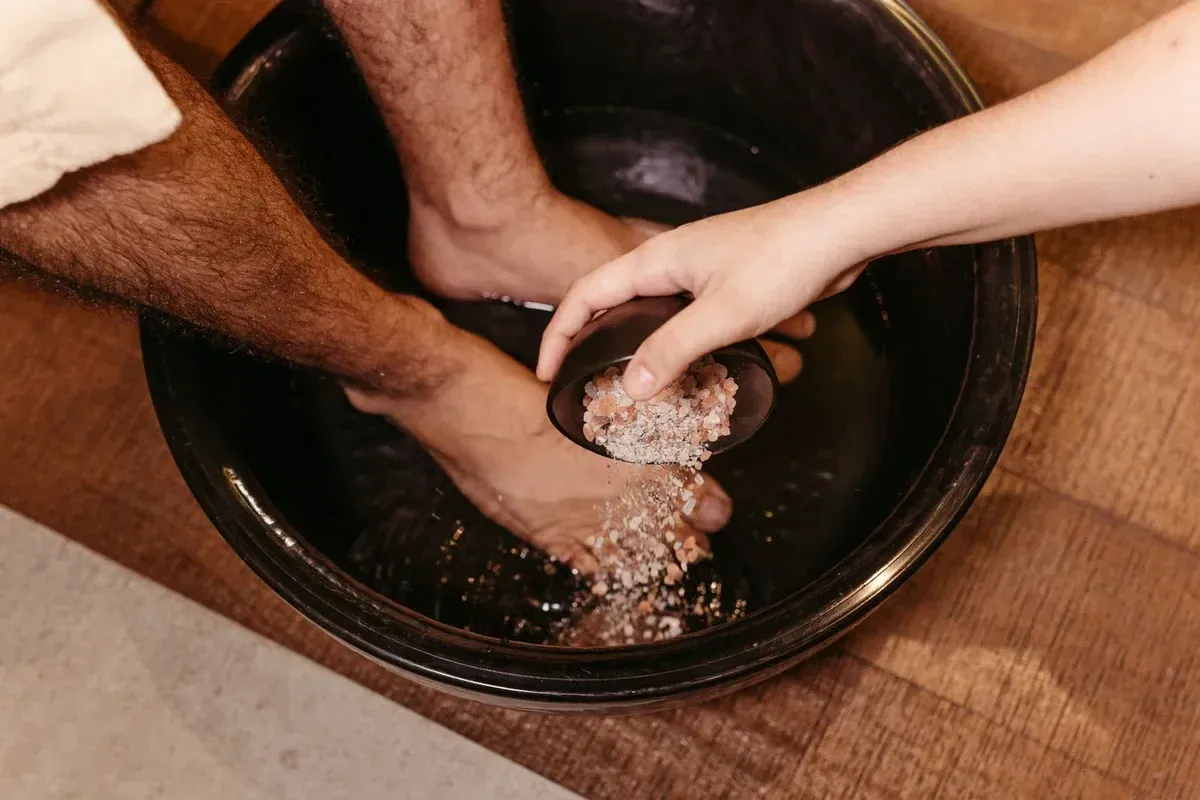
Herbal steam fumigation and medicinal baths are traditional Chinese medicine external therapies offered in Chinese hospitals to local and foreign patients. Selected herbs are decocted to produce steam or a medicinal liquid for soaking. The combination of controlled heat and herbal compounds penetrates the skin and meridians to promote blood circulation, dispel wind-cold-dampness, reduce inflammation, relieve pain and itching according to TCM principles. These non-invasive treatments suit adults with rheumatic bone diseases, chronic skin conditions or those in rehabilitation. Foreign patients access them in specialized TCM facilities, often combined with acupuncture, under professional supervision.

How it works

Herbs chosen according to the patient's TCM pattern are boiled. Steam or bath liquid delivers thermal stimulation that opens pores and improves microcirculation combined with transdermal absorption of active herbal components. This activates meridians, regulates local immunity and inflammation, without taxing the digestive system.

What to expect

After initial TCM consultation and diagnosis, patients change into appropriate attire and undergo supervised treatment in a specialized fumigation chamber, steam cabinet or medicinal bath tub (full body or localized). A single session typically lasts 15-30 minutes during which one experiences progressive warmth, sweating, relaxation and the herbal aroma. Mild skin flushing is common. A course usually involves multiple daily or every-other-day sessions. Foreign patients often receive care in international departments, may combine with acupuncture or tuina, and typically stay in China for 1-4 weeks to complete a meaningful treatment cycle and follow-up.

Typical programme

About 30 minutes per session; typically 10 sessions over 14 days.

Cautions

  • Severe hypertension, heart disease or serious cardiovascular conditions (may cause blood pressure fluctuations or cardiac strain).
  • Pregnancy (especially abdominal exposure) or during menstruation.
  • Open wounds, active skin infections/ulcers, acute inflammatory dermatoses or known herbal allergy.
  • Acute infectious diseases, high fever, bleeding disorders or extreme frailty.
  • Elderly or very weak patients without close supervision.
  • Recent heavy meal, fasting or inability to report discomfort.

Often used for

Sources

Offered at